

Art has always been a vital part of any city, and Dallas is no exception. This passion for beauty and self-expression among its residents fueled the creation of artistic associations. In 1903, this led to the founding of the Dallas Art Association, which would later become the renowned Dallas Museum of Art (DMA). From its earliest days, it was a hub of creative energy, with its first exhibitions held right in the city’s public library. Thanks to the enthusiasm of figures like Frank Reaugh and May Dickson Exall, the foundation was laid for a massive collection that now includes over 24,000 pieces. The history of the DMA is a fantastic example of how a passion for art can unite people and change the world. More at dallaski.com.
The Making of an Art Institution in Dallas
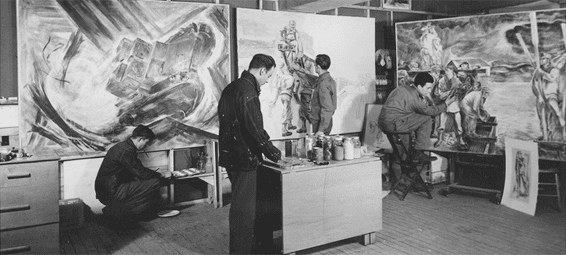
The story of the Dallas Art Association, now known as the Dallas Museum of Art (DMA), began in the early 20th century, specifically in 1903. Back then, it was simply the Dallas Art Association, and it displayed its first exhibits in the city’s public library. The idea came from Texas artist Frank Reaugh, who saw the new library as a perfect venue for showcasing artwork. His vision was embraced by May Dickson Exall, who became the first president of the Association. She aimed not only to offer engaging art exhibitions and lectures but also to build a permanent collection, support local artists, and encourage patronage of the arts.
From that point on, the museum’s collection grew rapidly. It soon became clear that a new, permanent home was needed. In 1932, the museum was renamed the Dallas Museum of Fine Arts, and by 1936, it had moved into a new Art Deco building in Fair Park. The move coincided with the Texas Centennial Exposition. Interestingly, the building was designed by a consortium of Dallas architects in consultation with Paul Cret of Philadelphia. This historic building still stands today and can be visited.
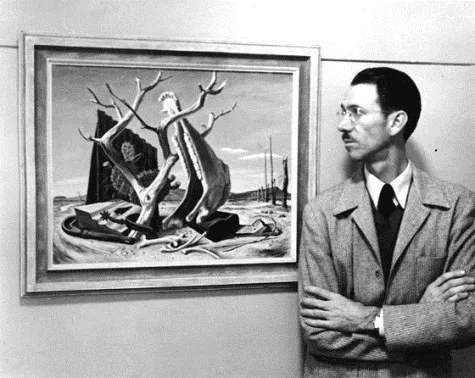
In 1943, Jerry Bywaters, an artist and professor at Southern Methodist University, took the helm as museum director. He led the museum for the next twenty-one years. Bywaters was instrumental in giving the museum a unique identity and a strong sense of community. Under his leadership, the collection was enriched with masterpieces of Impressionist, abstract, and contemporary art.
The Modern Dallas Museum of Art
By the late 1970s, it was clear that the Dallas Museum of Fine Arts had outgrown its home. Its permanent collection had expanded significantly, and its exhibition schedule had become too ambitious for the existing space. Under the leadership of director Harry Parker, the museum relocated to its current site on the northern edge of the downtown business district. This area is now known as the Dallas Arts District. The new $54 million facility was designed by New York architect Edward Larrabee Barnes. It was funded through a 1979 city bond election and private donations. The project was driven by the motto, “A Great City Deserves a Great Museum,” and the new building opened its doors in January 1984.
Today, the museum’s collections feature over 24,000 works of art from every corner of the globe. They span across cultures and time periods, from antiquity to the present day. These exhibits are a true celebration of humanity’s incredible capacity for creation.
The museum also remains deeply engaged with the community. It hosts monthly “Late Nights,” when the museum stays open until midnight, as well as the “Arts & Letters Live” lecture series and “Thursday Night Live” jazz concerts. A truly pivotal move came in 2013 with the introduction of free general admission and a free membership program. This, of course, made the museum more accessible to everyone. In 2021, the DMA joined the Monuments Men and Women Museum Network, and in 2023, it announced a major renovation. The project aims to expand gallery space and further improve accessibility.