

Dallas, Texas, boasts a long-standing tradition of festivals. Since its earliest days, this region has been home to a melting pot of cultures and art forms. It was inevitable that these influences would shape the city’s events. But what truly sets Dallas apart is its ability to retain its authentic spirit despite immense external pressures. Read more at dallaski.
The Precursors to Dallas’s First Festivals
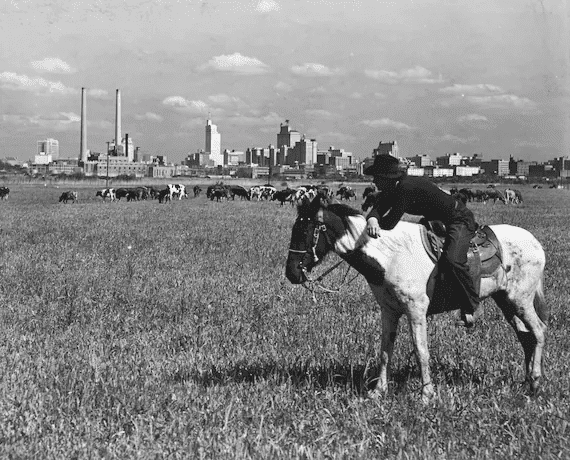
The groundwork for Dallas’s earliest festivals was laid by the city’s rich history and its growth across various sectors. Those developments naturally found expression in cultural celebrations, as Dallasers have always placed a high value on gatherings and entertainment.
In the 20th century, Dallas emerged as a hub for social reform. Residents championed improvements in living conditions, food quality, and the rights of minority communities. This movement led the Federal Reserve Bank to establish its headquarters here in 1914, and Ford Motor Company to open its first automobile plant in the city.
Yet Dallas’s cultural life has roots stretching even further back. In 1873, Field’s Opera House opened its doors, premiering the city’s first opera production in February 1875. Around the same time, churches sprang up across town, making Dallas a stronghold of diverse faith traditions. And in 1869, the Dallas Jockey Club was founded, introducing early horse races—a spark that likely inspired the idea of hosting large-scale public festivities akin to modern festivals.
The State Fair of Texas: Dallas’s Oldest Festival
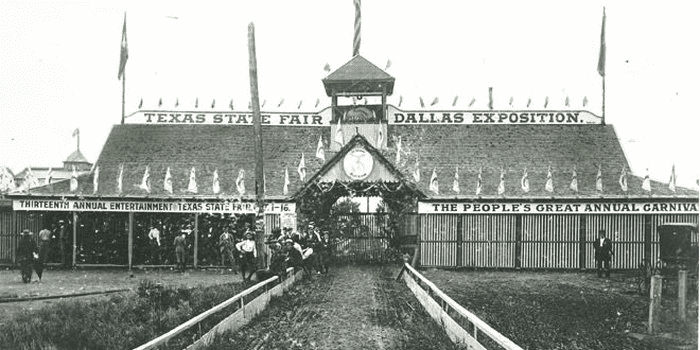
When the Dallas State Fair and Exposition incorporated as a private corporation in 1886, a group of local entrepreneurs led the effort. A debate immediately arose over where to build the fairgrounds. One director, Gaston, proposed an 80-acre site within Fair Park, while his partner, Keating, opposed the plan—reportedly to protect his interests in agricultural equipment suppliers.
After failing to compromise, Keating and his supporters launched a rival fair just north of the city, opening on October 25—one day before the State Fair of Texas. Both events featured exhibition halls and racetracks, drawing huge crowds that fall. The State Fair attracted 100,000 visitors, but neither fair covered its costs. In 1887, the two groups merged.
The reunited State Fair thrived. By 1905, attendance topped 300,000, and by 1916, over a million fairgoers flocked to the event. Highlights included top-tier horse races, livestock auctions, celebrity appearances, hot air balloon ascents, agricultural machinery demonstrations, contests, and more. Notable performers on the fair’s stage included John Philip Sousa, William Jennings Bryan, and Carrie Nation.
The Oldest Irish Festival in the US
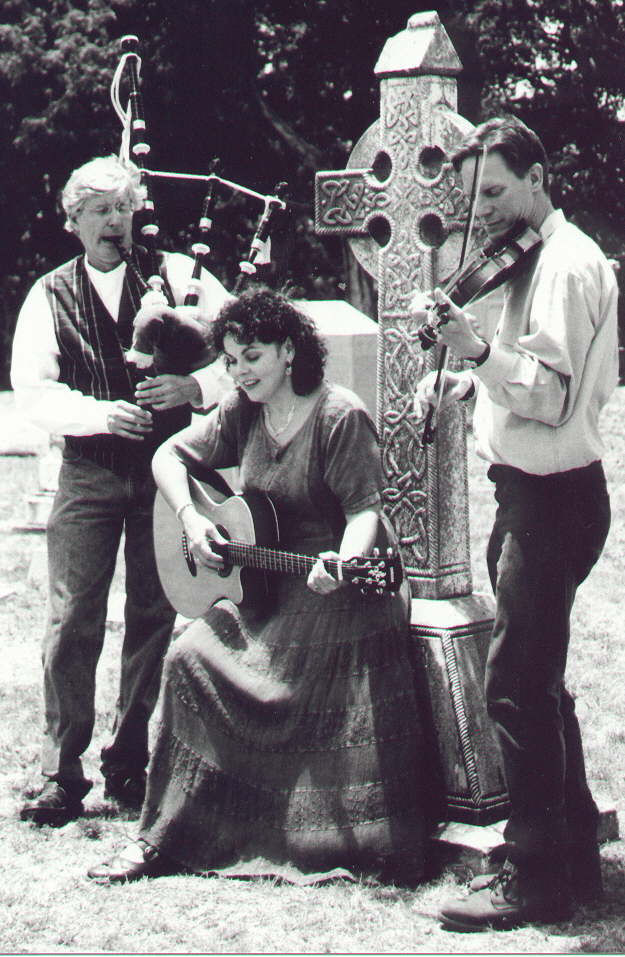
Since 1983, Dallas has hosted the oldest Irish festival in the United States. Like the State Fair of Texas, the festival takes place at Fair Park and is organized by the Southwest Celtic Music Association.
The inaugural event, known as Texas Céilí, kicked off on March 5, 1983, at Nick Farrelly’s Lounge on Oak Lawn (now the site of Pappadeaux). The association itself was officially formed in 1984 to study, perform, and promote Celtic music and dance, focusing on the traditions of Ireland, Scotland, and Wales.
Fair Park became the festival’s home in 2001. What began as a one-day celebration has grown into a three-day weekend event, typically held Friday through Sunday. Since most activities are indoors, weather rarely impacts the festival—though in 1989, a severe ice storm forced its cancellation.
Over the years, the festival has featured renowned Celtic artists like Mick Moloney, Kathy Ryan, Eithne Clancy, and Patrick Ball.
The Greek Food Festival: A Tradition Since 1956
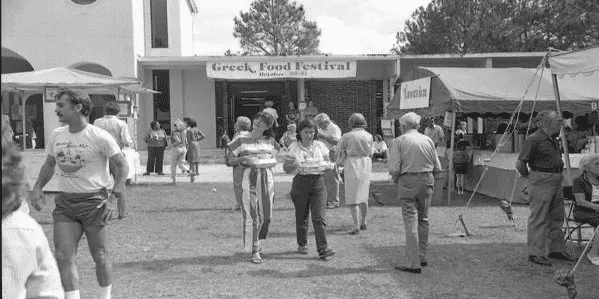
Another longstanding event is the Greek Food Festival, held every first weekend in November since 1956. Originally a small gathering organized by the Holy Trinity Greek Orthodox Church, it has evolved into a nationally recognized celebration.
Funded by charitable organizations from the start, the festival supports the church’s ministry and community outreach, welcoming all, including the city’s most vulnerable residents. The program remains consistent, featuring culinary exhibitions, libation tastings, guided tours of local Greek Orthodox sites, musical and dance performances, and children’s activities.
Guests enjoy a wide array of Greek delicacies—from savory gyros to honey-drenched baklava, from souvlaki to loukoumades—showcasing both traditional recipes and modern twists. While the festival offers plenty of entertainment, its primary purpose is philanthropic: sustaining the church’s mission and strengthening the community.