

The Dallas Arts District impresses with its scale and geometric precision. However, its true heart beats in the halls where art finally speaks with the voices of all Americans. David Driskell—artist, curator, and visionary—became the force that transformed Texas’s elitist museums into spaces of living historical truth. He didn’t just exhibit paintings; he tore down walls of prejudice, proving that without African American heritage, the puzzle of national culture would forever remain incomplete.
On dallaski.com, we break down all the stages of establishing historical justice:
- how Driskell’s activities brought African American creativity out of the shadows and onto the main stages of major institutions;
- a review of the Arts District’s iconic locations—from the acoustic wonders of I. M. Pei to the glass facades of Norman Foster;
- the role of curatorial influence in shaping the Dallas Museum of Art’s collections and integrating new names into the global canon;
- how Driskell’s own work links African traditions with American modernism in the heart of the metropolis;
- the creation of an intellectual foundation for future generations of Texas art historians and curators.
A Curator Who Changed the Canon
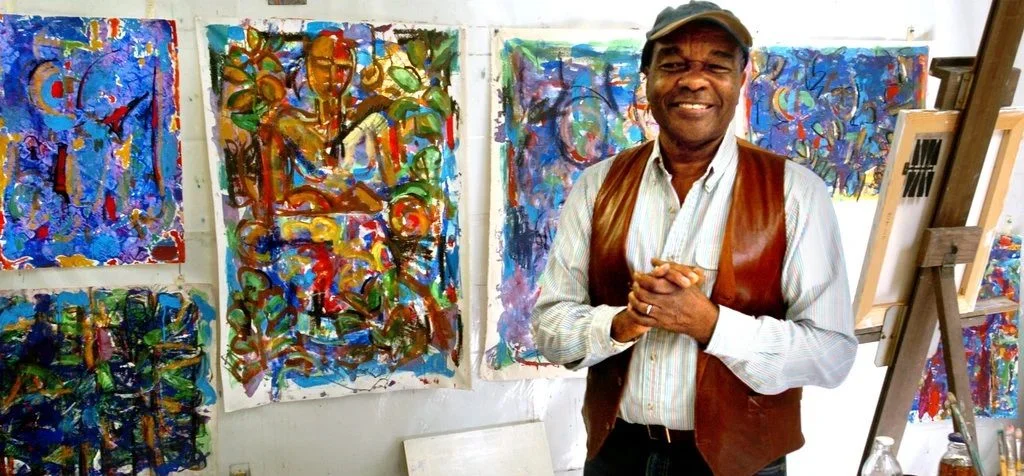
David Clifford Driskell was more than just an artist; he became the primary advocate for African American art in the United States. His work consisted of a systematic and consistent “bringing out of the shadows” of artists who had been ignored by major cultural institutions for decades due to outdated standards and prejudices. In the context of Dallas, his name now resonates alongside the leading galleries and museums that define the city’s intellectual and visual identity.
Driskell dedicated his career to proving that African American art is not a separate niche but an inseparable part of the national code. He served as a bridge between the forgotten talents of the past and modern museum halls, insisting that cultural space must be a mirror of real society.
Thanks to his influence, Dallas became a platform for reimagining the artistic canon. He taught the local professional community to see in the works of African American masters not only aesthetic form but also a profound social history that deserves a central place in exhibitions.
Driskell’s philosophy was based on the conviction that cultural space must reflect actual society. He insisted that without proper representation of African American artists, any museum collection remains fragmentary and devoid of historical truth. His visits to North Texas stimulated the professional community to rethink their approaches to forming exhibition plans.
Legacy in Museum Collections
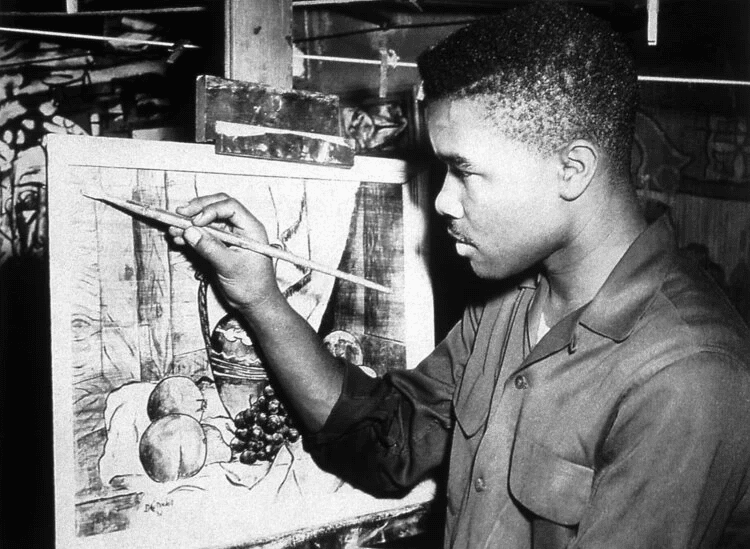
Due to Driskell’s powerful intellectual influence, the Dallas Museum of Art significantly expanded its holdings, enriching them with works by prominent African American masters. He acted as a professional expert, consulting on the acquisition of canvases and sculptures that today represent the true pride of the Arts District’s exhibition.
His contribution to the development of Dallas museum practice was characterized by the following aspects:
- He taught the Texan elite to see more than just visual form in abstraction and figurative painting, but rather a deep social narrative.
- Thanks to his authority, works by African Americans were integrated into the museum’s primary narrative on equal terms with classic masterpieces.
- He emphasized the importance of acquiring works that reflect the struggle for civil rights and the search for identity.
Educational Initiatives
The artist actively supported and developed ties with Dallas universities, acting as a catalyst for scientific research. He encouraged young researchers and students to boldly study the history of African American art, which had long remained a blank spot in academic programs.
The teaching methodologies proposed by Driskell formed the basis of many modern art history courses in the region. This allowed for the preparation and growth of a new generation of critics and curators who carry on his work today. His educational activity in Dallas was aimed at creating a solid intellectual foundation where knowledge of the contribution of Black artists is a mandatory element of professional training for any cultural specialist.
David Driskell’s activities in North Texas left a deep mark, turning Dallas into a platform for an important dialogue on inclusivity in art. His efforts to legitimize African American creativity allowed local institutions to reach a new level of global context, where every name in history is entitled to respect and study.
The Texas Olympus of Culture
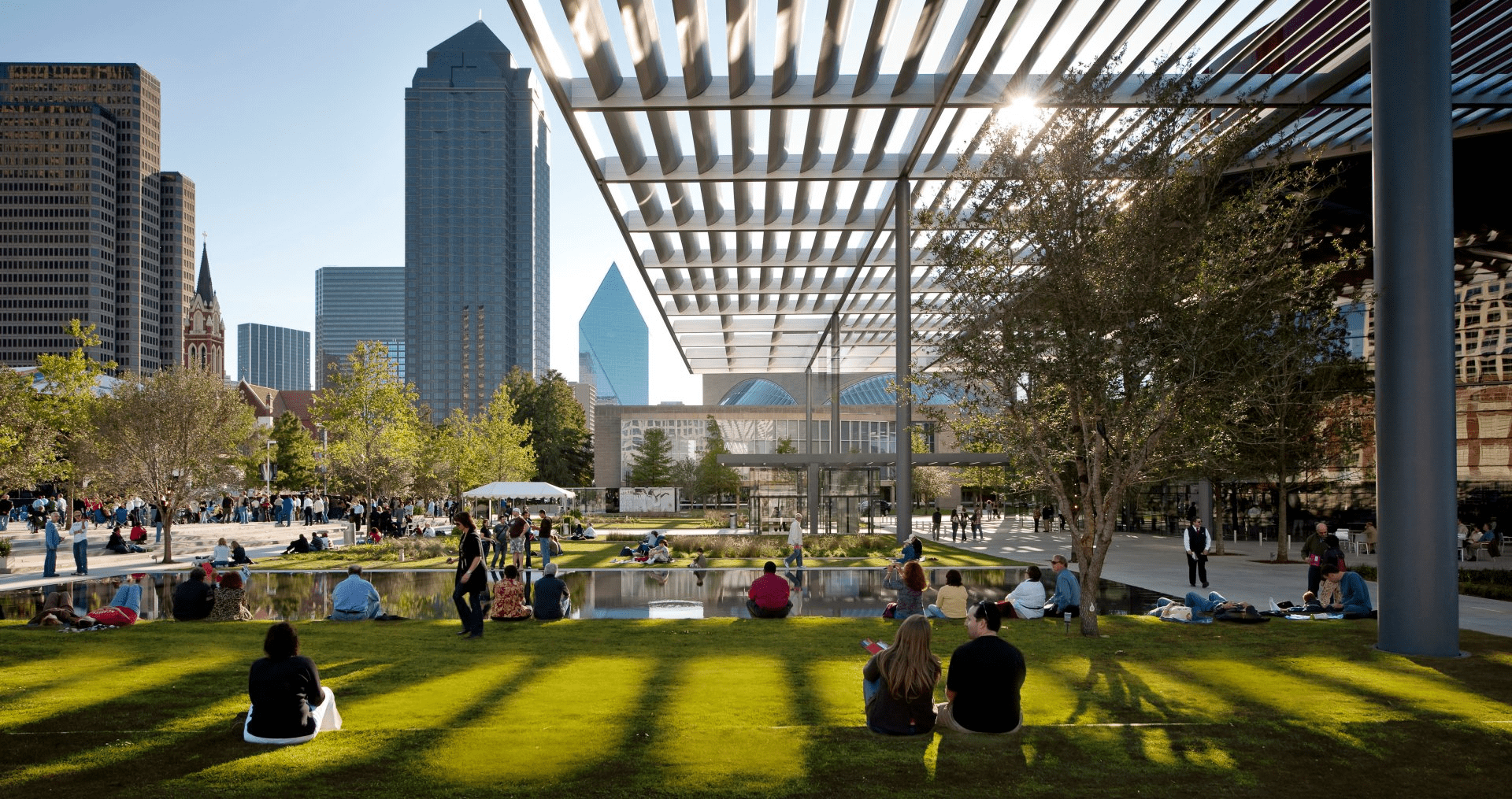
The Dallas Arts District is the largest contiguous urban arts district in the United States, spanning 118 acres in the heart of Dallas. It is a place where the architectural masterpieces of Pritzker Prize laureates meet high art, creating a unique space where culture becomes part of the everyday urban landscape. The district has become a showcase not only for Texan ambitions but also for a global intellectual legacy.
The District’s Architectural Ecosystem
- Dallas Museum of Art. A giant and the cultural anchor of the district, housing over 24,000 objects spanning from the ancient world to radical modernity. Thanks to its free admission policy, the museum embodies the idea of cultural accessibility, where every visitor can see masterpieces by African American artists integrated into the collection through the influence of visionary curators.
- Nasher Sculpture Center. A unique “roofless” space designed by Renzo Piano. This is a true oasis where nature and sculpture exist in total synergy. The open gardens allow for the contemplation of works by great masters like Picasso or Rodin under the open Texas sky, blurring the line between the indoor gallery and the outside world.
- Meyerson Symphony Center. An acoustic miracle designed by the legendary I. M. Pei. The building combines the rigors of geometric forms with the softness of sound. It is a place where acoustics become almost tactile thanks to a system of movable canopies, allowing music to sound perfect regardless of the genre.
- Winspear Opera House. A building with a red glass facade that has become a visual symbol of Dallas at night. Norman Foster’s project reimagined the concept of an opera house, making it open to the city. Thanks to a massive sunshade canopy, the theater creates a comfortable relaxation zone even in the summer heat.
This incredible concentration of talent, architectural thought, and capital created the perfect conditions for progressive ideas, like David Driskell’s vision of “art for everyone,” to turn into everyday reality. Today, the District is not a closed club for the elite, but a living, pulsing space hosting free street festivals, night tours, and large-scale educational events for every family. The district has become the heart of Dallas, where the past, present, and future of art intertwine on a single street.
Points of Connection: Driskell in the Arts District Space
A review of the historical cross-section shows that without fundamental figures like David Driskell, the Dallas Arts District might have remained merely an expensive architectural monument or a cold collection of luxurious buildings. It was the intellectual content and ideological depth he promoted for decades that made this district spiritually rich and full of meaning. Driskell transformed elitist walls into a platform for living dialogue, where every art object becomes part of a larger conversation about equality and recognition.
Cultural Dialogue at the DMA
In the halls of the Dallas Museum of Art, Driskell’s own works are often exhibited, and each such event becomes an important cultural milestone for the city. His canvases are not just paintings, but a complex synthesis of history and philosophy:
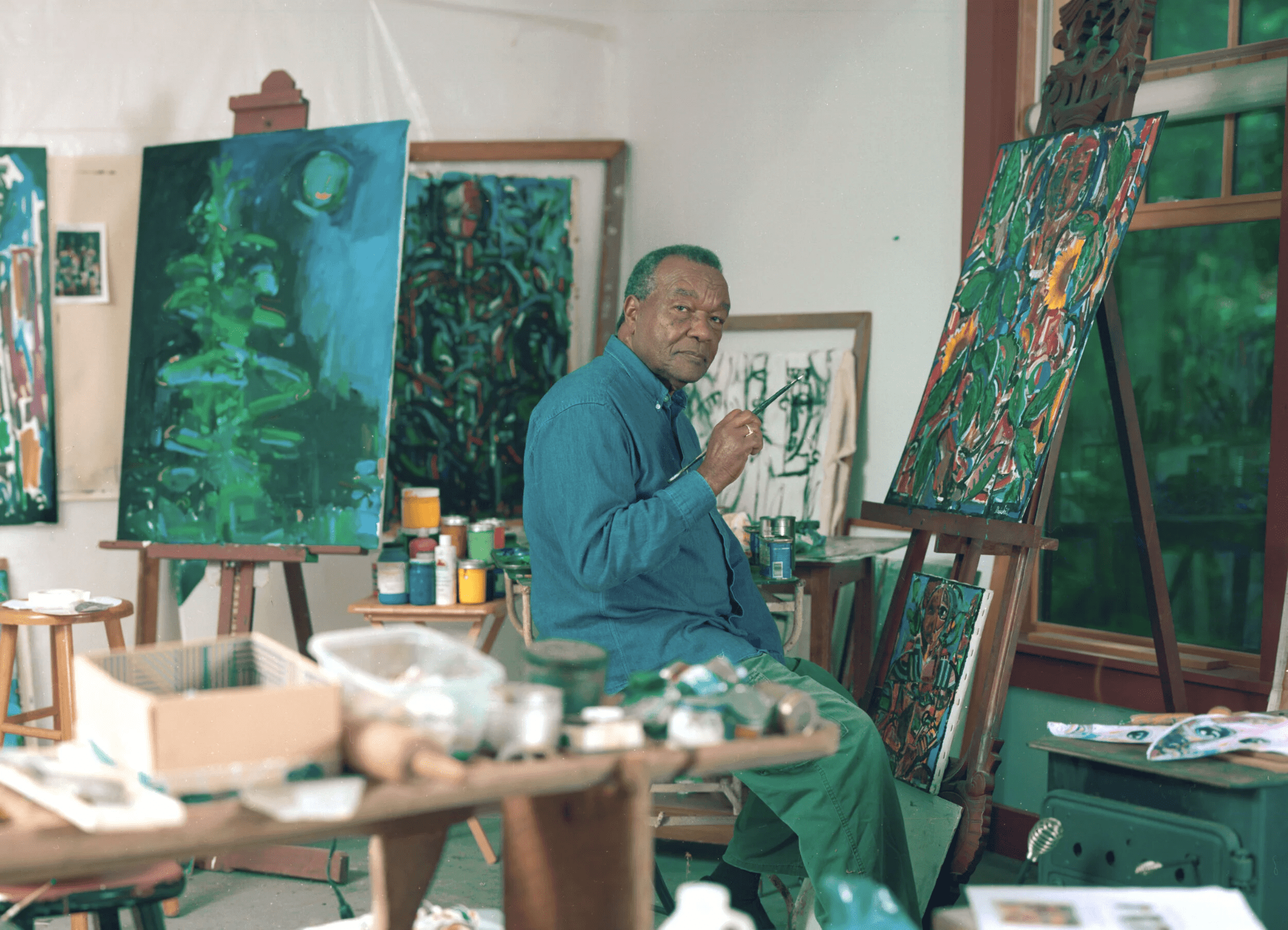
- A Bridge Between Eras. The artist’s works combine the warm colors of the American South with complex symbolic patterns that serve as a bridge between traditional African roots and American modernism.
- Intellectual Challenge. His presence in the permanent collection forces visitors to contemplate the complexity and multi-layered nature of national identity.
- Visual Language. The use of specific techniques and textures makes his paintings recognizable, setting them apart as models of intellectual art that require thoughtful contemplation.
- Emotional Resonance. Driskell’s works at the DMA create a space where African American history is told through the language of high aesthetics, accessible to every resident of Dallas.
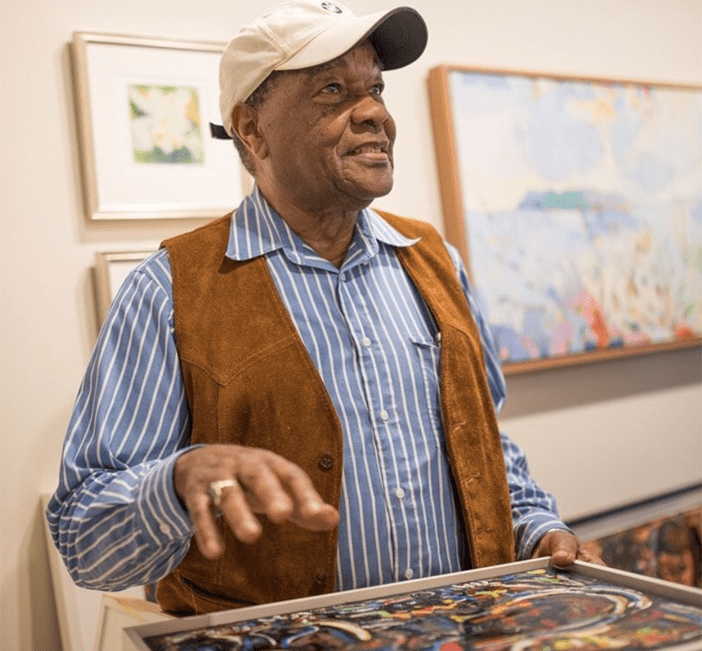
Art Growing from the Soil
Driskell’s work with organic forms—stylized trees, leaves, and deep earthy tones—resonates remarkably with the architectural concept of the Nasher Sculpture Center. Both objects—the master’s canvases and the sculpture garden—emphasize one vital truth: true, sincere art always grows from the soil on which it was created.
This makes the Dallas Arts District not just a place for passive viewing of paintings, but a unique space for realizing one’s blood connection to the history and land of Texas. Driskell taught us to see beauty in roots, both literally and figuratively, proving that cultural heritage is a living organism that requires constant nourishment from truth and openness.
A Cultural Bridge Between Past and Future
David Driskell’s activity became the intellectual foundation upon which the modern inclusivity of Dallas’s art space rests. His contribution is not just curatorial work but a full-scale humanitarian mission that changed the rules of the game in Texas’s institutional environment.
Key Achievements and the Artist’s Legacy
- Revision of Canons. Driskell successfully performed the “demarginalization” of African American art, proving to Dallas’s major museums that the creativity of Black masters is a central element of American history, not an appendage to it.
- Transformation of Holdings. Thanks to his expert consultations, the Dallas Museum of Art’s collection was replenished with iconic works that today form the basis of the Arts District’s exhibition, ensuring the representation of diverse cultural experiences.
- Scientific and Educational Breakthrough. He laid the groundwork for the study of African American heritage in the region’s universities, educating a new generation of specialists who carry on his work based on the principles of honest and open art history.
- Symbolic Synthesis. His own creative work, presented in the city center, became a visual embodiment of the connection between African traditions and modern modernism, reminding every visitor of the deep roots of national culture.
Driskell’s efforts transformed Dallas into a place where art ceased to be a tool of exclusion, becoming instead a space for dialogue, discovery, and mutual respect. He left behind a city that knows how to see talent through the prism of historical truth.