

He had it all: private islands, his airfield, a knighthood, and the boundless trust of the Dallas elite. His empire’s offices in Uptown radiated stability, while expensive furniture and antiques were designed to lull even the fiercest skeptics into a sense of security. Yet, behind the facade of a billionaire philanthropist lurked a cynical deception that reduced the lives of thousands to financial ash. This is the story of how one man conquered Dallas through the illusion of wealth and the spectacular collapse that became the harshest lesson for the financial capital of the South.
Detailed Look at the Scam of the Century at dallaski.com:
- How interior psychology and aggressive marketing created the illusion of the world’s safest bank.
- A breakdown of the Ponzi scheme that promised mathematically impossible returns under the guise of conservative investments.
- How sponsoring cricket and financing election campaigns made the fraudster untouchable to regulators.
- From the storming of the headquarters by defrauded depositors to a spy-like capture and a 110-year prison sentence.
- How the Stanford scandal reshaped Texas’s investment culture and forever shattered the era of blind trust in “one of our own” tycoons.

Dallas as the Showcase of a Fake Empire: The Glitz and Guile of Stanford Financial Group
Although Allen Stanford owned an offshore bank in Antigua, his true nerve center—Stanford Financial Group—was located right in Dallas, within the city’s most prestigious business districts. For two decades, he masterfully built the image of a respectable Texas billionaire, a generous benefactor, and a passionate cricket enthusiast. His presence in Dallas was no accident; a city with a cult of success and big money provided the perfect stage for one of the largest financial frauds in modern history.
Theatricality of Luxury in Uptown
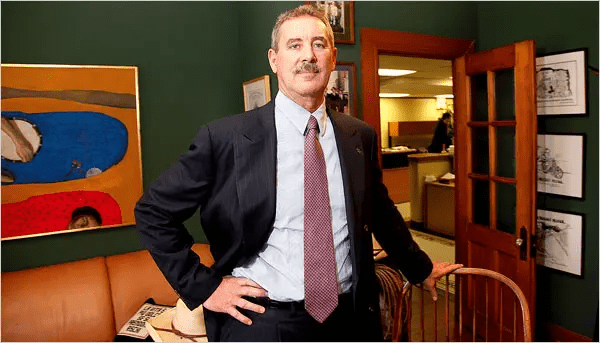
Stanford’s offices in the prestigious Uptown neighborhood were the embodiment of imperial ambition. These weren’t just workspaces; they were showrooms of reliability designed to suppress any critical doubt.
- Interior Psychology: Massive rare mahogany furniture, expensive antiques, and original artworks on the walls were meant to convince clients of the company’s long-term stability.
- Personal Branding: An army of financial consultants in flawless suits worked under strict etiquette protocols, creating the illusion of belonging to an exclusive, elite club.
- Local Patriotism: For Dallas residents, Stanford played the role of “one of us”—a successful Southern tycoon who understood Texas values and knew how to grow capital in turbulent markets.
This concentration of wealth’s external attributes allowed Stanford to avoid scrutiny for years; no one could imagine that emptiness lay behind this glossy facade.
Philanthropy as a Tool for Trust
Stanford understood that in Dallas, the path to investors’ wallets led through charity and sports. His active participation in the city’s life aimed to legitimize his pyramid scheme fully.
- Social Capital: Supporting arts projects and medical institutions made him a welcome guest at every social gala, where he personally met the future victims of his schemes.
- Sports Marketing: Attempts to popularize cricket in the U.S. and sponsoring massive tournaments created the illusion of a global business scale.
- Media Presence: Constant appearances on “wealthiest” lists (such as Forbes) served as undeniable proof of success for average depositors.
This carefully constructed image of a “Texas billionaire-philanthropist” allowed Stanford to lure over $7 billion from thousands of investors. Dallas, with its Uptown chic and respect for grand ambitions, unwittingly became part of this massive fake empire that came crashing down in 2009, leaving behind only empty offices and ruined lives.
Mechanics of Deception: Certificates of Vacuum
The core of Allen Stanford’s scam was cynically simple yet technically sophisticated for its time. The company offered investors “certificates of deposit” (CDs) with interest rates consistently higher than the market average. Clients were told tales of conservative investments in liquid assets, real estate, and securities. In reality, most of the money flowed into Stanford’s own pockets to fund his extravagant lifestyle or was used to pay interest to previous depositors in a classic Ponzi scheme.
Why Did Dallas Believe?
Despite the high risks typical of offshore operations, Dallas residents were surprisingly trusting. Several key factors neutralized investors’ critical thinking:
- Aggressive Marketing and Prestige: Sponsoring the most expensive golf and cricket tournaments in Texas created an illusion of infinite stability. When a brand is showcased alongside the world’s oldest banks on elite sports grounds, the average depositor stops asking uncomfortable questions.
- The Political Shield: Stanford didn’t just do business; he actively funded the campaigns of influential politicians from both parties. This created an aura of invincibility that confused regulators and law enforcement for a long time.
- Local Patriotism: Many wealthy Dallas families felt it was an honor to keep funds with a “Texas finance king.” In a city where personal connections and the reputation of being a “good ol’ boy” carry more weight than dry financial statements, Stanford became the perfect figure of trust.
The Fall of the Empire: Stanford vs. the FBI and SEC
When the Securities and Exchange Commission (SEC) and the FBI finally joined forces after years of bureaucratic delay, Dallas instantly transformed from Stanford’s “safe harbor” into an arena for a massive legal hunt. The trial in Texas exposed staggering negligence by regulatory bodies that had ignored detailed complaints from independent analysts for years.
Stages of a Tyrant’s Downfall
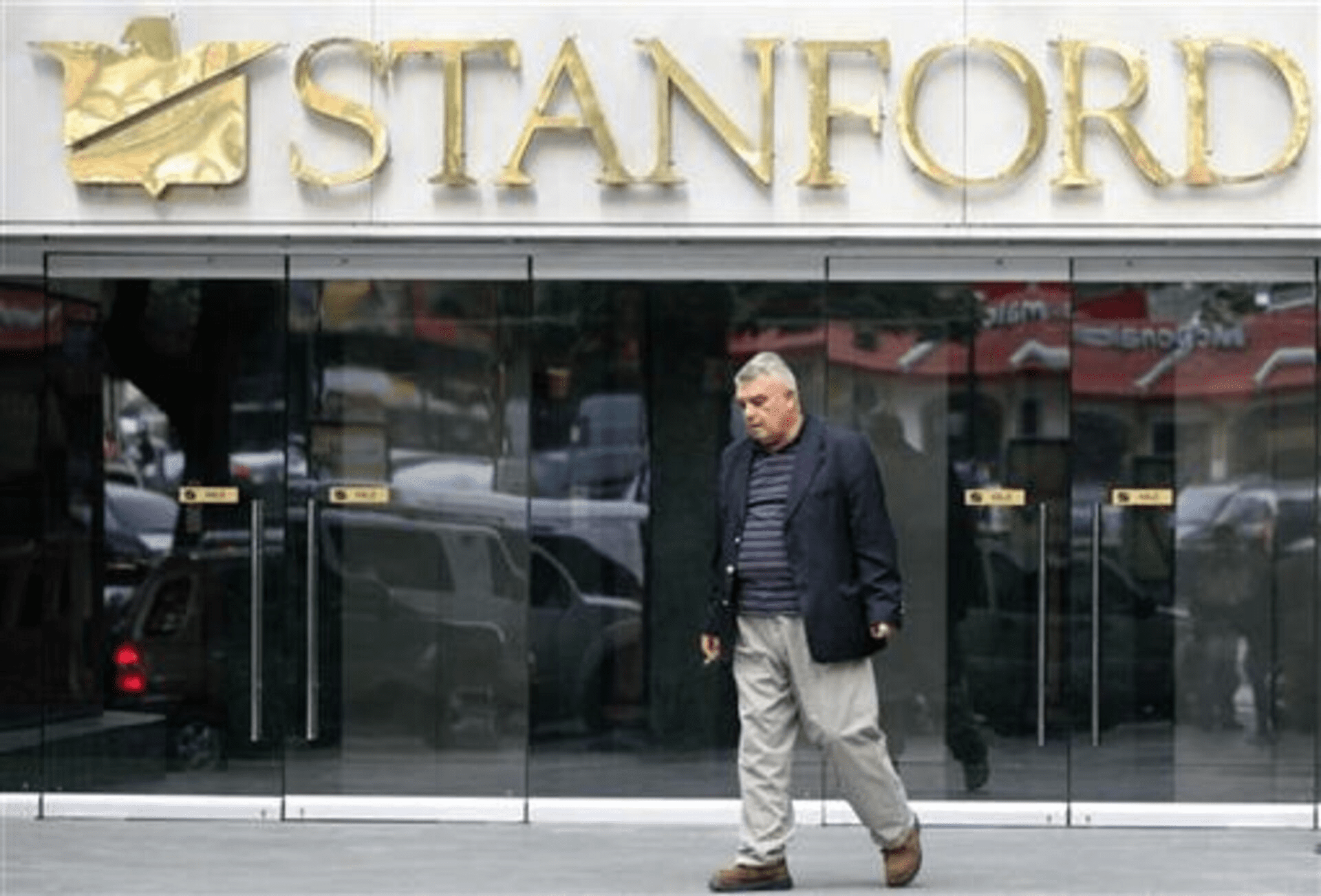
- The Siege of the Dallas Office: The scenes outside the company’s headquarters are forever etched in the city’s memory. Defrauded depositors—from small business owners to wealthy retirees—literally stormed the glass building, demanding to see management. These images became one of the most powerful symbols of the 2008–2009 financial catastrophe.
- The Escape Attempt and Arrest: As the net tightened, Stanford tried to act like a character in a spy thriller. He was apprehended in Virginia, just a step away from fleeing the country. He was immediately brought back to Texas, where his status as Dallas’s “golden child” shifted to that of a federal prisoner in an orange jumpsuit.
- The Judicial Finale: In 2012, a jury delivered a crushing verdict. Allen Stanford was found guilty on 13 counts, including fraud, conspiracy, and money laundering. His final sentence—110 years in prison—sent a clear signal: a financial pyramid of this scale is a crime against society.

A Harsh Lesson for Dallas
This case served as a painful wake-up call for the city’s financial elite. Dallas, historically accustomed to quick “oil” and tech money where high risk was often considered a sign of courage, faced a brutal reality. Stanford’s collapse proved that “too good to be true” conditions are almost a guaranteed sign of an impending disaster.
The Legacy of the Scam for Modern Texas
The aftermath of Stanford’s actions is still felt today. While many depositors spent years trying to recover funds through asset liquidation, most of the money vanished into the labyrinth of Caribbean banks.
Impact on the City’s Financial Culture
- Strengthened Oversight: Dallas branches of financial regulators became much more rigorous with companies handling private investments.
- Crisis of Trust: Local investors became significantly more conservative, preferring transparent instruments over “exclusive offers.”
- Legal Precedents: The Stanford case created a foundation for new investor protection laws in Texas.
Today, other companies occupy the former Stanford Financial Group offices in Dallas, but the memory of the “Texas Ponzi” serves as a warning to anyone seeking easy profits under the bright Southern sun. Allen Stanford’s legacy remains a reminder of how vulnerable even the most successful can be in the face of professionally constructed lies.
Sources:
- https://www.reuters.com/news/picture/stanford-saga-idUKRTXBUAQ/
- https://ministrywatch.com/amp/the-rise-and-fall-of-allen-stanford/
- https://archive.nytimes.com/www.nytimes.com/imagepages/2009/02/13/business/13stanford_CA1.inline.ready.html
- https://www.barrons.com/advisor/articles/allen-stanford-ponzi-scheme-case-closed-69f7d791