

William McKinley “Red” Garland Jr. is a renowned American jazz pianist who had a profound impact on mid-20th-century jazz. He developed and popularized the block chord style on piano, a technique that quickly became a favorite among jazz fans. Garland shot to fame as a member of the Miles Davis Quintet in the 1950s, and he also led numerous successful solo projects. For more, visit dallaski.
Early Steps in Music
William “Red” Garland was born in 1923 in Dallas to a father who worked as an elevator operator at the National Bank. Although no one in his family played music, Garland fell in love with instruments as a child. He first mastered the clarinet and then took alto saxophone lessons from Buster Smith, a prominent Texas saxophonist. One of the key skills he picked up was sight-reading, which proved invaluable in his musical education.
Mastering the Piano
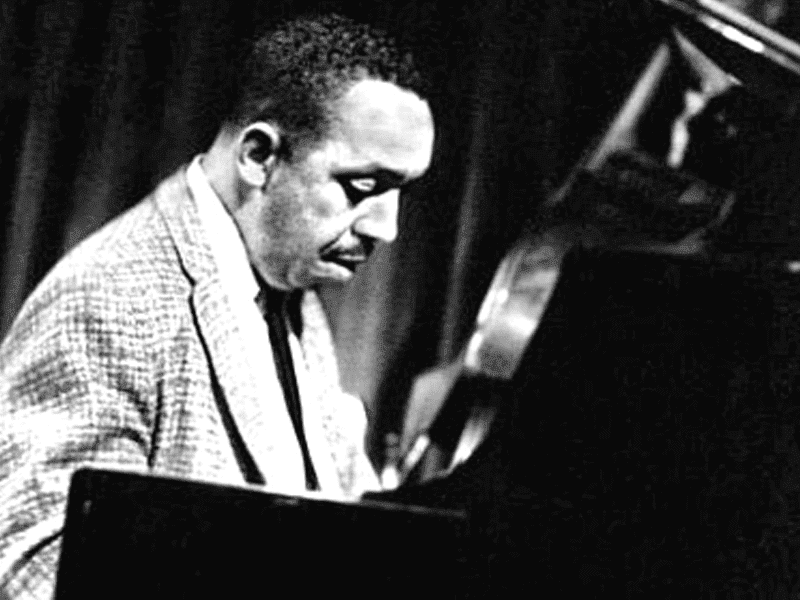
During his Army service, Garland met pianist John Lewis, who often played in the recreation room. One day, Garland asked Lewis to teach him piano. Lewis agreed on the condition that Garland could already read music—he didn’t want to start with a true beginner. Soon, lessons became a daily routine.
After his discharge in 1946, Garland joined trumpeter Oran “Hot Lips” Page on tour. Their final stop was New York City, and Garland decided to stay. There, he caught the eye of Billy Eckstine, who invited him to join his band as pianist. Garland played with Eckstine for six weeks.
Rising Fame
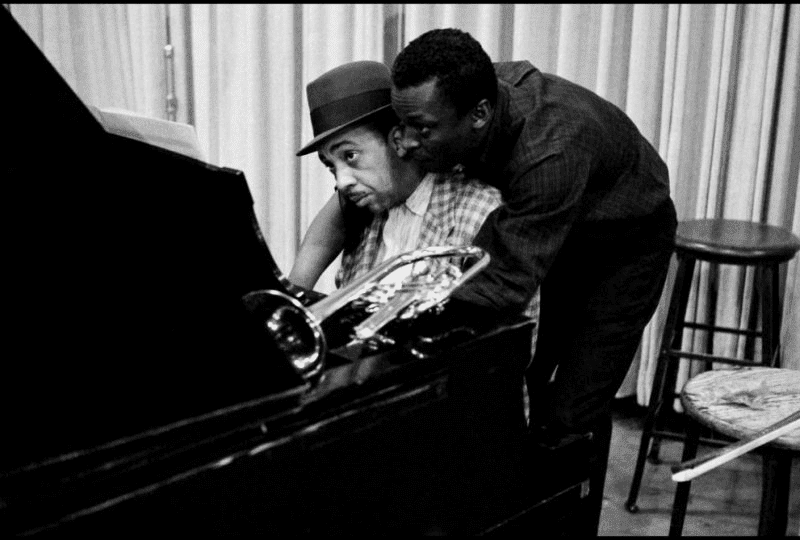
In 1954, Garland joined the American jazz ensemble led by Miles Davis, alongside John Coltrane, Philly Joe Jones, and Paul Chambers. Together, they recorded a series of albums for Prestige—including Miles: The New Miles Davis Quintet, Workin’, Steamin’, Cookin’, and Relaxin’. During this period, Garland developed his own signature sound. His playing was praised for its lyrical quality and could send chills down the listener’s spine. His signature block chords featured three-note chords in the right hand and four-note chords in the left hand, echoing the melody an octave lower.
Over time, tensions grew between Garland and Davis, and Garland eventually left the quintet.
Leading His Own Band
In 1958, Garland formed his own trio, teaming up with drummer Art Taylor and bassist Sam Jones. The trio recorded extensively and collaborated with guest artists like Pepper Adams, Nat Adderley, Ray Barretto, Kenny Burrell, Jimmy Heath, Harold Land, Blue Mitchell, and Leroy Vinnegar. In total, Garland led 19 sessions for Prestige Records and another 25 for Fantasy Records.
Creative Decline
In the 1960s, jazz’s popularity declined as rock music rose. Album sales dipped, and Garland nearly stopped recording. In 1968, he returned to Dallas to care for his ailing mother. Before retiring in 1978, he released the albums Feelin’ Red and Equinox. The following year, he recorded with bassist Ron Carter and guitarist Kenny Burrell and maintained an active touring schedule for several years. His later work sounded more modern and less polished than his earlier hits, but music remained his lifelong companion.
William Garland died on April 24, 1984, at age sixty of a heart attack. He left behind a musical legacy that continues to inspire jazz musicians and fans around the world.